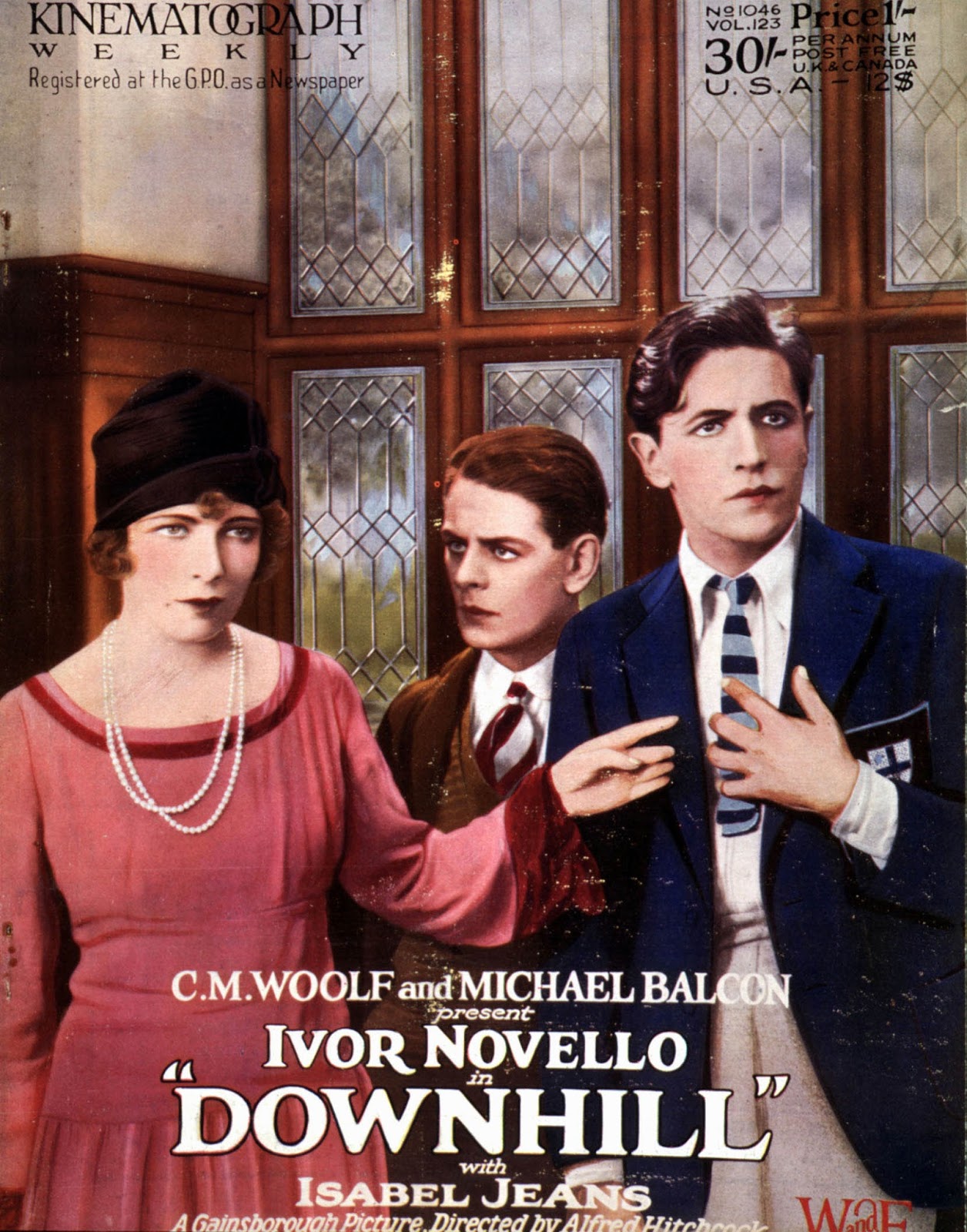
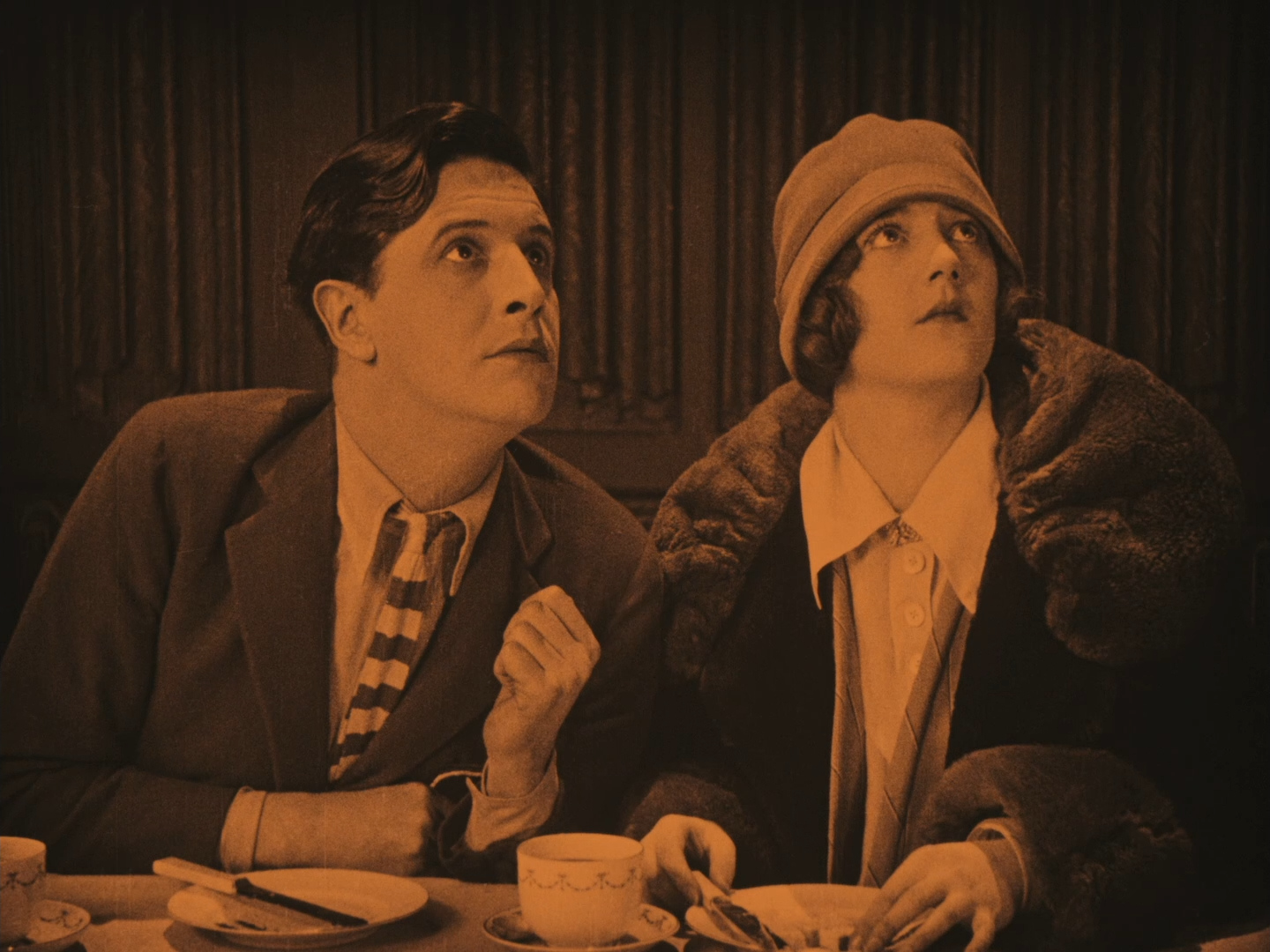
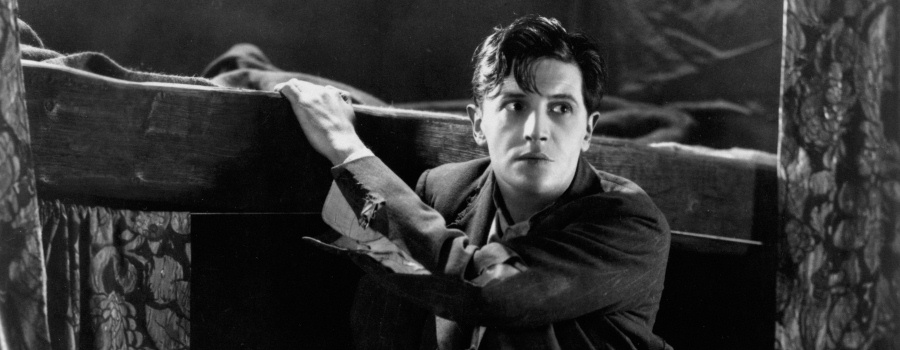
In the year this film was released, 1928, the sound had just arrived to cinema to realize one of the greatest revolutions that have been in the history of seventh art, forever changing its scenario, modifying careers of all directors and actors who had hitherto shone. Therefore, this was one of the late great master of suspense's silent films, his silent exercises were almost always oddities, still looking for a definitive stamp on his language, the master embarks on adapting a literary work to the big screen again. For this work, again Hitch adapts a novel by the actor and playwright, Noel Coward, and portrays the story of a female in British society, who will face an unthinkable nightmare when her past mistakes, having been in the middle of a mess between two men, costing the life of one of them, will generate her a bad reputation, which pursues until the end; even when she tries to rebuild her live, that burden will not disappear when her new partner's family harass, after finding out about her past activities. Unusual film of the British, like most of his nearly ten pictures of the silent period, which certainly can not be classified among the best of the production of the giant producer, but being a silent film by Alfred Hitchcock, the correct palate will surely be enthusiast for this appreciable tape.

 When the movie gets started, a trial is underway, Larita Filton (Isabel Jeans) is being accused, the prosecuting attorney who accuses (Ian Hunter), urges her to respond, she recalls how a brilliant young painter was portraying her, when her jealous and drunken husband, who abused the lady, interrupted. The husband has a bad response, assaults the artist, who unexpectedly shoots, killing his aggressor; lawyer accuses heatedly women, to complicate the issue when a large inheritance is left for her product of the murder, she is accused and the jury convicts her. She is not condemned, but is exposed to humiliation and shame by media, for which she goes away from it all. Already away, Larita meets John Whittaker (Robin Irvine), a millionaire who courts her, and, after thinking, she accepts his marriage proposal. Once married, they move to the house of John, where Larita meets his new mother in law (Violet Farebrothers), steely woman who from the beginning has suspicions about the origin of his daughter in law. In that house the mother makes her life miserable, especially when comes to light his past, she is only supported by John's father (Frank Elliott) and Sarah (Enid Stamp-Taylor), for even the prosecutor who accused her appears at parties of aristocrats. The tormented Larita can't continue anymore, states Sarah that she must have married John, and puts an end to her martyrdom in that house.


 The beginning of the film is typical of hits silent exercises, when the first image we see is a text box in which is differenced what is virtue, defining it as something that is its own reward, from what is the easy virtue, reward of society to a slandered reputation; it is a good summary of what will be appreciated in detail in the film, and is characteristic of several of his silent films to start such as in this picture. The beginning of the story itself, is treated with a language inviting the optimism, with some positive looseness of the camera, offering close-ups, detailed drawings of objects, reflecting the judgment with which the film is opening, there is some mobility of lens, freedom of approaches, zooms, all sorted correctly to portray those tense moments early. Even promptly, in those first minutes immediately we see flashbacks, past action and present merge properly, without elaborate mechanisms or obvious breaks, it is quiet but satisfying how this transition is printed, ending the setting of a start of film that, as stated, invited optimism. Expressive images, monocles swaying imitating the next picture, the pendulum of a clock, side shots of the faces of those involved, prosecutor and defendant facing each other, enriching a narration without words, something quite common in Hitch. It is unfortunate that such a promising beginning of the picture was left on that, an optimistic promise. But continuing with the images, director manages pleasant moments such as horses near each other, as Larita and John, who are feeding their love; and of course the most important sequence in that sense, narrating wordless when Larita finally agrees to his marriage proposal, is through the phone that she accepts, and Hitch gets the luxury of not letting us doubt of her answer without even showing a single shot, nor hers nor his. It is extraordinary that moment, the telephone receptionist is the conduit, narrative and informative vehicle, as her reactions indicate the development of this conversation, some uncertainty at first, but her wide smile and gesture tell us that no doubt she accepted; very remarkable, we, without being showed any of those involved, no doubt know the result of the proposal.


It is true that the film begins showing a murder, but despite that as usual element in the Hitchcockian cinema, the feature is far away from most major artistic vertices of the British, there is no doubt that the master was still self discovering, discovering expressive field in which he would become legend. We speak of course of suspense, which he had warmly tasted in his first major film, The Lodger (1927), but still was finishing the filmmaker to take the final brush strokes before ending his mute stage, and without this being a mediocre picture -for this, as we have seen, contains remarkable and apreciables elements-, is still far from the highest levels subsequently reached by the director. The great filmmaker took very little time, however, finding his topic, some argue that the limited success of previous films made producers interfere more than before on the subject of this feature; but whatever the case might be, we feel that the strength of the director is diluted, in the absence of tension, intrigue and uncertainty of Hitch's suspense, loses his effectiveness the master, in such an innocuous field like this, we nottice the loss of all power that springs forth when performing suspense. Interesting, yes, regardless of whether the chosen theme fully reflects the will of the filmmaker or not, is the treatment of the female protagonist, this because well known is the misogyny of which is accused Hitch, and in this opportunity, the woman, Larita, is no longer the light female who without the slightest thought triggers misfortunes on the male protagonists. Now there is some variation of it, now she is the persecuted, to whom neither her reputation nor hypocritical society will leave alone (we see how John's sisters lurk even in her drinking). Everything becomes relatively ambiguous when we appreciate Larita's attitudes, her instances, her constant action of smoking copiously, her drinking, makes one feel her to some point worldly, plus the way she approaches Sarah. Hitch certainly leaves some room for the viewer to think a little, makes to struggle hesitating whether indeed she is a victim or not, the director makes "suffer" the viewer, something that Hitchcock always stood in the way of making films.


 We are certainly facing a novel treatment of female elements in Hitch, to already commented on Larita and her ambiguous person, we add the maternal element, the imposing mother of John, who actually gets to eclipse him in prominence. Like almost never seen in Hitchcockian films, we see a female duel, Larita against the mother, an unprecedented duel of feminine forces, interesting in a film by the British, as well as the empowerment of the mother; but the maternal theme in Hitch's oeuvre would be the subject of another article (see only the mother of Norman Bates). Among the negative elements of the film, one becomes a certain weakness to represent many of the sequences of the picture, lacks of tension, strength in representations, feeling almost loose and limp the core of portrayed. Starting with the brawl between the jealous husband and the young painter, continuing with sequences as the first contacts between Larita and John, just to cite examples in which feels that lack of strength in other films so strongly appreciated. Also, after the commented initial deployment of the camera, we will not see much of the visual narrative elements of the British, only glimpses of them, like when the Whittaker family is eating, and food and dishes disappear by dissolution of shots; this lack of resources and visuals definitely are detrimental to the film. But all is not bad, it is interesting that Hitchcock slides a study, a look at the society of his time, the hypocrisy of the rancid aristocracy, because as soon as the mother of John learns the truth about Larita, she and most of the family condemns her; but with the imminent humiliation and gossip of society ahead, they prefer to remain silent, conceal the truth. Although despise her, rather than being consistent to it, they prefer to keep up appearances, they prefer to maintain a false image of normalcy to their peers, the double standards of the aristocrats, that society are portrayed. In his period as a silent filmmaker, Hitch is still looking for his style, and almost every one of his films constituted a rarity, brought novelties, in 1927 produced The Ring, non-repeated pugilistic exercise, and Downhill, attractive analysis of physical and moral decay of an individual, and in 1928 comes the unusual comedy The Farmer's Wife. Then comes the film now commented, with that unsettling end of her asking to be "shot", because there is nothing left to kill. Atypical but interesting years for Hitch, those are his silent films, although no masterpieces, are real jewels to appreciate.